
Our History
Natura Argentina was born from the convergence of science, vocation, and a deep commitment to nature.
Its roots trace back to a group of biologists and professionals who graduated from the National University of Córdoba and met while collaborating on various conservation projects. United by a shared concern—the urgent need to protect areas of high biological and cultural value in Argentina—they began exploring ways to create impact from the ground up.
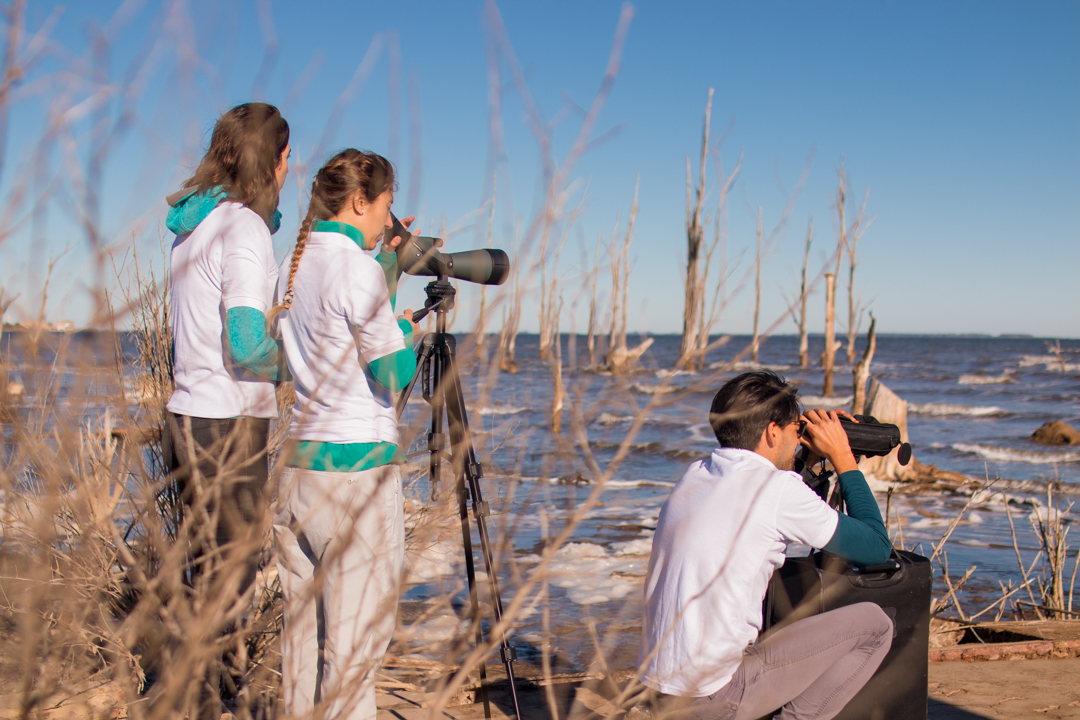
We took part in the collective creation of Ansenuza National Park in Córdoba. Today, we continue to protect it through research and environmental education.
The initiative was led by Lucila Castro, a biologist with over ten years of experience in conservation, who brought the team together in 2018 and laid the foundation for this project.
In 2020, the organization was formally established as Fundación Naturaleza Argentina—though we’ve always called ourselves Natura Argentina, and still do.
We believe our organization is always a work in progress: each project, each relationship, and each step we take in our work helps shape an evolving identity. None of this has been easy, but it has been deeply challenging, exciting, and enriching.
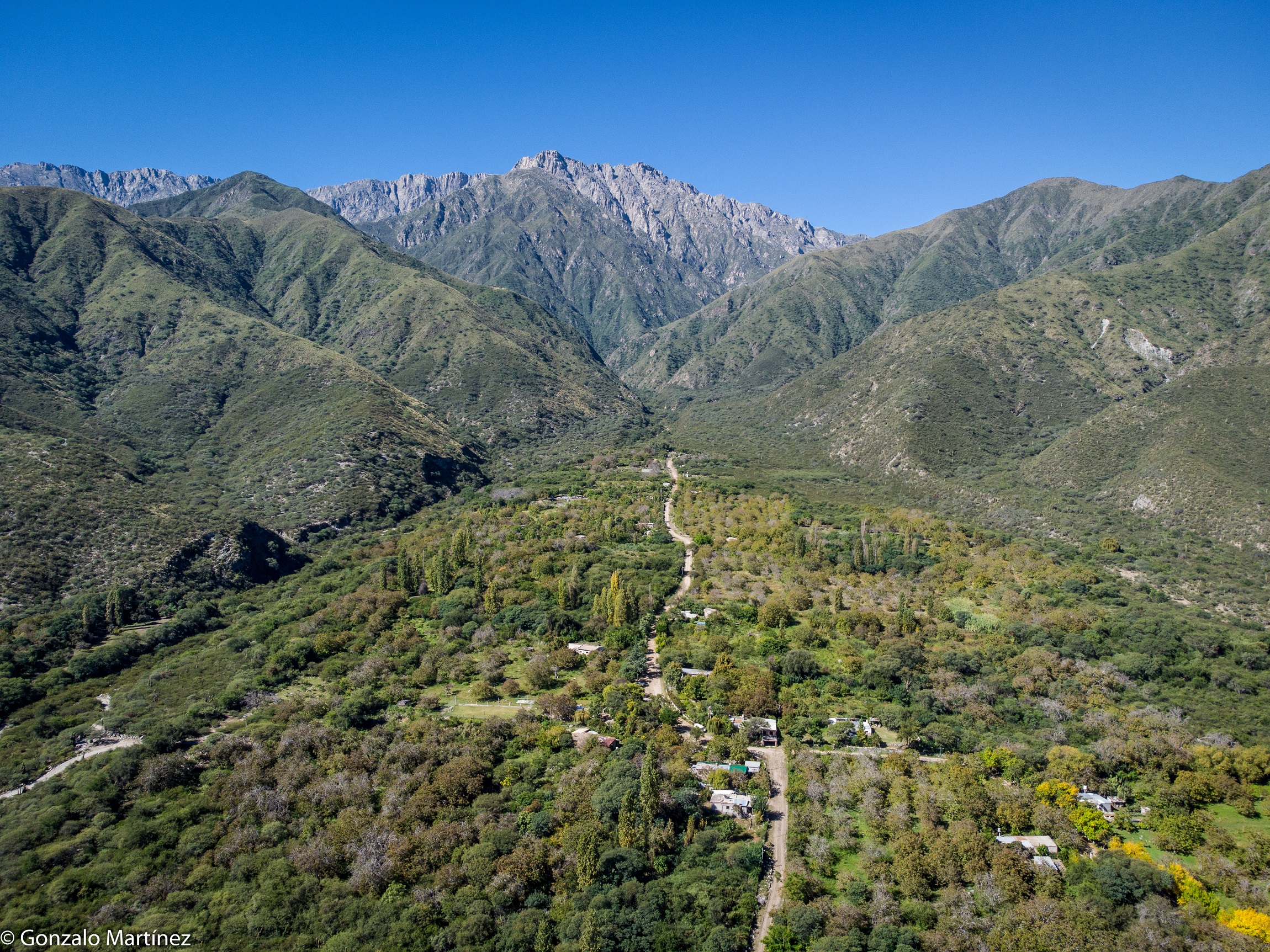
In Catamarca, we supported a historic milestone: municipalities coming together to create reserves and protect 180,000 hectares in a conservation mosaic.
We have worked to build an increasingly national team, rooted in different regions of the country, with exceptional technical and human capacities.
Over time, our approach has evolved, enriched by the contributions of extraordinary professionals and continuous learning through both local practice and international conservation standards.
Early on, we understood that conservation also means working with people—their knowledge, stories, and relationships with the environment.
Each step we take reaffirms our participatory, committed, and deeply human approach to conservation.
Today, we lead projects across six Argentine provinces, with headquarters in Córdoba and a presence in ecosystems as diverse as those found throughout the country.
This is a story we continue to write every day—and we invite you to be part of it.

Argentina
Natura Argentina
Ingeniero López 236
Planta Baja – depto B – CP 5000
